
Design Degrees and Programs
If you’re interested in becoming a professional designer, or developing your career in the field, then pursuing a design degree or investigating a specialized design program may be the right first step.
From graphic design to fashion design and animation, the broad field of design includes a wealth of challenging careers, many of which have the opportunity to grow rapidly thanks to technological advances in the industry. To help develop the designers of tomorrow, design training centers, colleges and online schools throughout the United States and Canada offer a wealth of design programs that can help prepare students for a career in the field.
These design training centers offer students the opportunity to develop skill that can help them pursue careers in 3-D Design, Advertising, Animation, Computer Graphics, Graphic Design, Desktop Publishing, Digital Design and Imaging, Fashion Design, Illustration, Digital Video, Interior Design and Decoration, Typography, Multimedia, Photography, Photo styling, Textile Arts, User Interface Design, Online Publishing, Game Design, Web Design, Web Application Development, and CAD Design.
Design School Categories
Architecture

Building art has never been so rewarding.
Combining the disciplines of art and engineering, architects plan and design the buildings we all work and live in.
From minimalist, highly functional buildings to structures conceived and built to inspire and awe, architects must use both their creative and technical expertise to provide solutions for the people who will use the building, the space it will occupy, the purpose the building must fulfill, and the resources available to build and maintain it.
The building then becomes a unique expression of the architect as artist and as engineer.
In addition to considerations of form and function, architects must also keep safety as well as local laws and regulations in mind.
Computer Animation
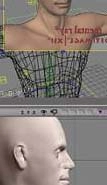
Computer animators work in 3-D, creating their characters with the subtleties and realistic motion of everyday life. Computer animation is an artful blend of creative vision and technology.
In the classroom, you’ll begin with a solid design and art foundation. Computer graphics, animation, and audio and video techniques soon follow. Your goal: Build a digital portfolio that shows how well you bring your characters and storytelling abilities to life.
Following graduation, entry-level positions may include digital artist, special effects artist, texture mapper, or storyboard artist.
Fashion Design

Combine your design talent and creativity with technology. Learn about Fashion Design & Merchandising.
Start your career in fashion design. The Fashion Designing industry is fast-paced, competitive and rapidly changing. Hard work, determination and passion are needed to succeed in this field. Successful fashion designers must have the ability to present visually their ideas and to guide them though production.
The world of fashion design currently offers many job opportunities. Visitors to this site should find that the schools listed will provide the right kind of training to advance in their fashion careers. Select a school location near you, and uncover the fashion designing programs available.
All fashion programs should focus on the creative and business aspects of this dynamic, fast-paced industry.
Graphic Design

Combine your talent with technology.
Graphic Design programs emphasize conceptual development, strategic thinking, mastery of technique and verbal presentation in a stimulating and innovative environment. Learn to develop finely tuned skills in the areas of typography, print mediums, packaging, branding and identity, web design and motion graphics (more graphic).
Graphic Design career opportunities include:
- Corporate and Brand Identity
- Website Design
- Motion Graphics
- Multimedia
- Package Design
- Print & Collateral
Online Design Schools
Choose from the following online design programs:
Online Computer Animation Schools
Online Interior Design Schools
Game Design

Welcome to a world of fantasy and design at your finger tips!
Maybe you are an enthusiast or even an expert game player, but now you have the chance of playing the pro league.
Becoming a game designer will qualify you to create your own world, your own game, and to include all those ideas you have been accumulating all these years.
Industrial Design

Industrial designers are responsible for the designs of the every-day objects that populate our lives, combining art and engineering in their aim to strike the perfect balance between form and function.
While industrial designers are responsible for the appearance of such seemingly ordinary objects as furniture, cookware, electronics, or any number of items, some examples of industrial design, such as the VW Beetle and the iPod, are regularly considered works of art.
Design School Categories
Interior Design

Put your design talent to work!
The demand for professional design of private homes, offices, stores, and restaurants is on the rise. Interior design schools and colleges prepare you for a job as an interior decorator, designer or manager.
Many designers work full-time or part-time, or do freelance. As a professional interior designer, you can expect to be working in design and architectural firms, department stores, home furnishing stores, hotel and restaurant chains, or as a freelance designer working on your own terms.
Interior design training prepares you for work with:
- Design and Architectural Firms
- Department Stores
- Home Furnishing Stores
- Hotel and Restaurant Chains
- Freelance Interior Design
- Put your design talent to work!
- Put your design talent to work!
Photography Schools and Programs

Nowadays everybody has a camera, and that is why many schools and Universities have decided to include Photography as one of their degree options, since this art is gaining importance in our current society.
Photography may be seen as a hobby, an art or even as a science, but it represents always something creative. Just like audience, we watch it and admire it, but for professional photographers every shot supposes a previous study, previous conditions and, over all, the search of an aim.
Photography helps you to remember feelings, trips, friends, and special moments. It also gives artistic forms to many ordinary objects. Summing up, photography let you catch your life in images. For many people, photography is an instrument to give many things an artistic expression even when they seem not to have it.
If you like photography and you are thinking of studying it, just keep on reading to find out some reasons to do it!
Multimedia

Combine your talent with technology.
The Multimedia Production and Design Programs give students the requisite skills to find employment in the dynamic, high-paced Multimedia Industry.
Multimedia is the integration of many different types of media, with emphasis placed on interactive media such as World Wide Web production and CD-ROM authoring.
Students who enroll in multimedia programs can expect to become valuable team members for large group projects.
Many graduates of multimedia design programs go on to become professionals in the multimedia field, while others find these programs useful as stepping-stones to further education in the digital arts.
Web Design

Combine your design talent with technology.
Web designers create the look, feel, and navigation for websites. Web design is a specialized sub-section of Information Technology, playing a key role in Web development.
Their work includes defining the user interface (UI) (what people see and interact with when they come to a site for example, the home page), creating graphics and animated images, and choosing the style, fonts, and other visual elements that make a site appealing and help a company advance its business goals.
As a Web Design Professional, you will learn about:
- HTML and XHTML
- CSS
- Web Standards
- Web Imaging and Graphics
- User Interface Design and Usability